Explore the Environment
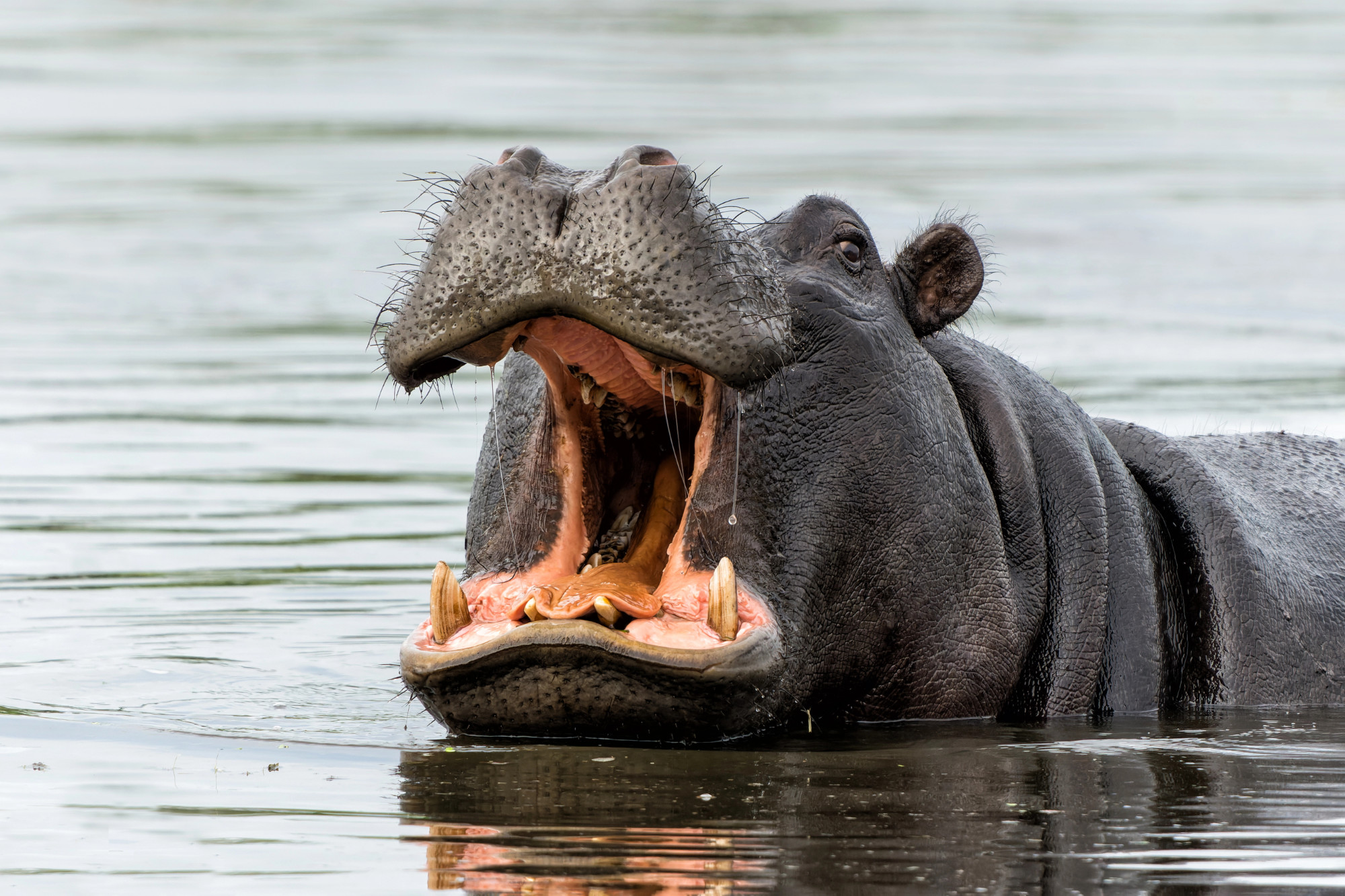
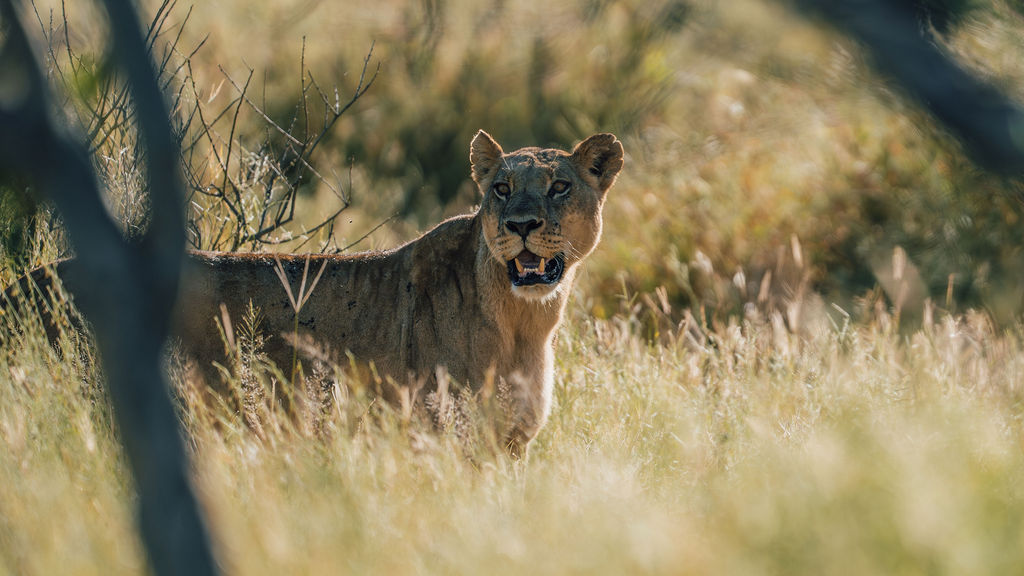
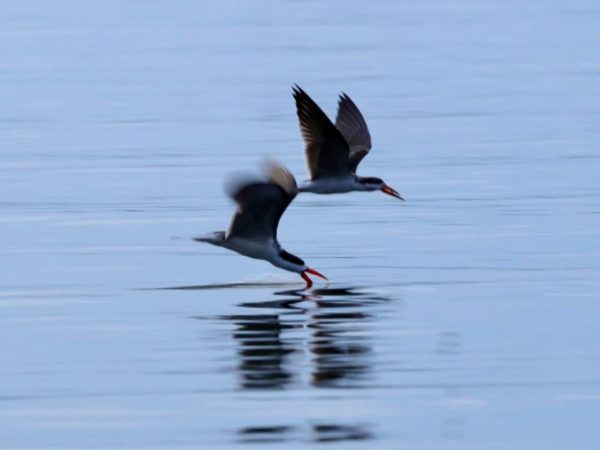
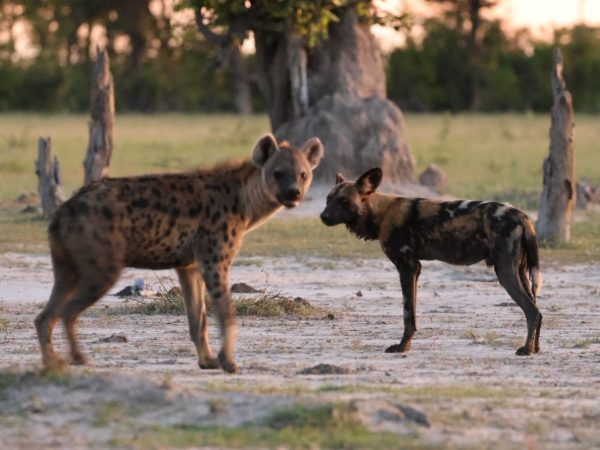
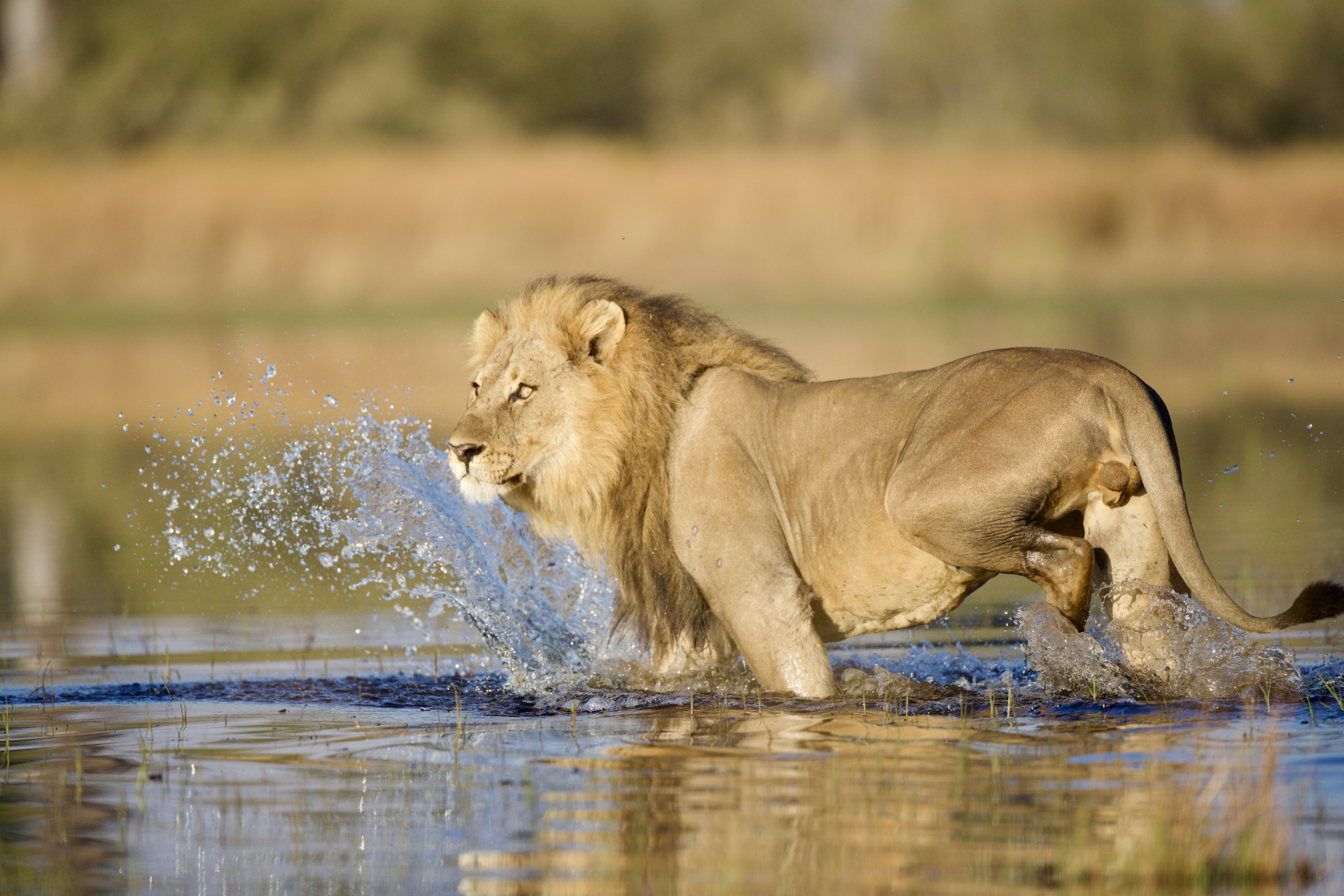
Botswana’s bush is teeming with life – from majestic elephants and lions to graceful antelope and vibrant birdlife.
Whether exploring by vehicle, mokoro, or on foot, every moment offers an authentic encounter with Africa’s wild beauty.
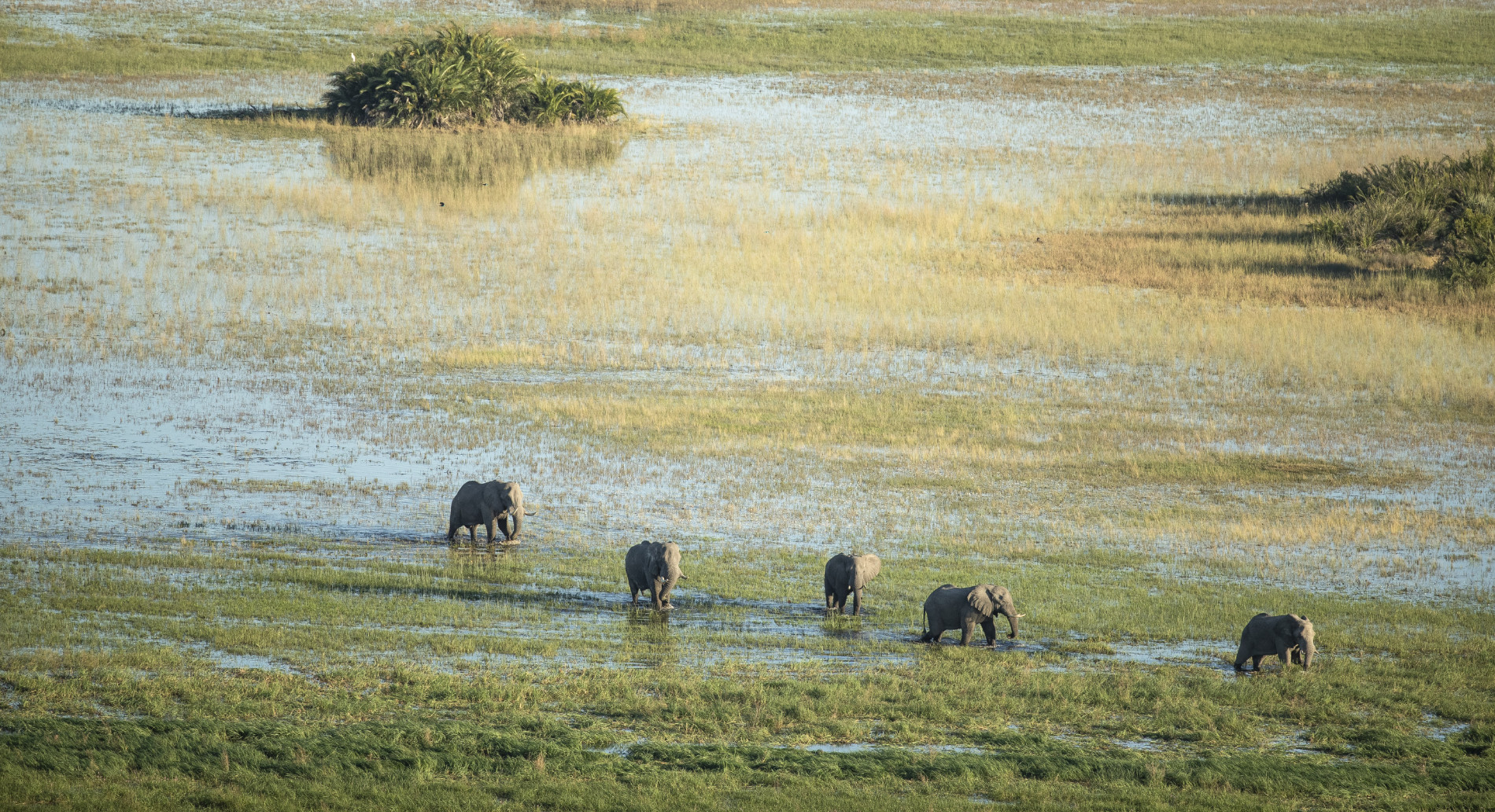
The Okavango Delta is one of Africa’s most extraordinary natural wonders - a vast inland oasis where crystal-clear waterways fan out across the Kalahari sands.
This UNESCO World Heritage Site is teeming with wildlife, from elephants and lions to vibrant birdlife, creating a sanctuary of remarkable biodiversity. Changing with the seasons, the Delta offers an ever-shifting landscape of lagoons, islands, and floodplains – a true paradise for those seeking immersion in the wild heart of Botswana.
Surrounding The Outpost lies 12,000 hectares of private wilderness, where varied ecotones blend into one mesmerising landscape. Abundant wildlife roams these serene, unforgettable spaces, each turn revealing a new expression of the Delta’s quiet beauty.
Interested in experiencing wilderness and wildlife on foot?
Exploring the Okavango Delta on foot offers a thrilling and intimate adventure, allowing guests to experience the wilderness from a completely new perspective. Guided by expert trackers, you’ll follow animal paths, study tracks, and encounter wildlife up close – from grazing antelope to the distant calls of elephant and lion. Every step reveals the raw, untamed beauty of the Delta and the delicate balance of life that thrives within it.
Being on a game drive is like watching the movie; on foot its like being in the movie.
About the Okavango Delta
The Okavango Delta is an inland alluvial megafan shaped by tectonic forces, hydrological pulses and sediment deposition within a fault-defined Kalahari Basin. As the Okavango River enters the Panhandle from Angola, its flow slows within a structural trough before dispersing across a near-flat basin where uplift, subsidence and fault-controlled gradients dictate how channels branch, migrate and periodically avulse.
These geological processes generate the Delta’s defining mosaic of permanent swamps, ephemeral floodplains and elevated islands – many formed from ancient dunes, termite structures or subtle tectonic ridges.
This geomorphic architecture directly structures wildlife behaviour. Seasonal inundation determines grazing patterns and migration corridors for herbivores such as elephant, buffalo and red lechwe, which track the advancing and retreating flood line. Predators exploit these same constraints: lions favour dryland – wetland interfaces, while wild dogs utilise channel networks as natural movement pathways.


Groundwater recharge and mineral precipitation create nutrient-rich pans that attract species in predictable “time-slot” sequences, concentrating biodiversity at waterholes across the Okavango.
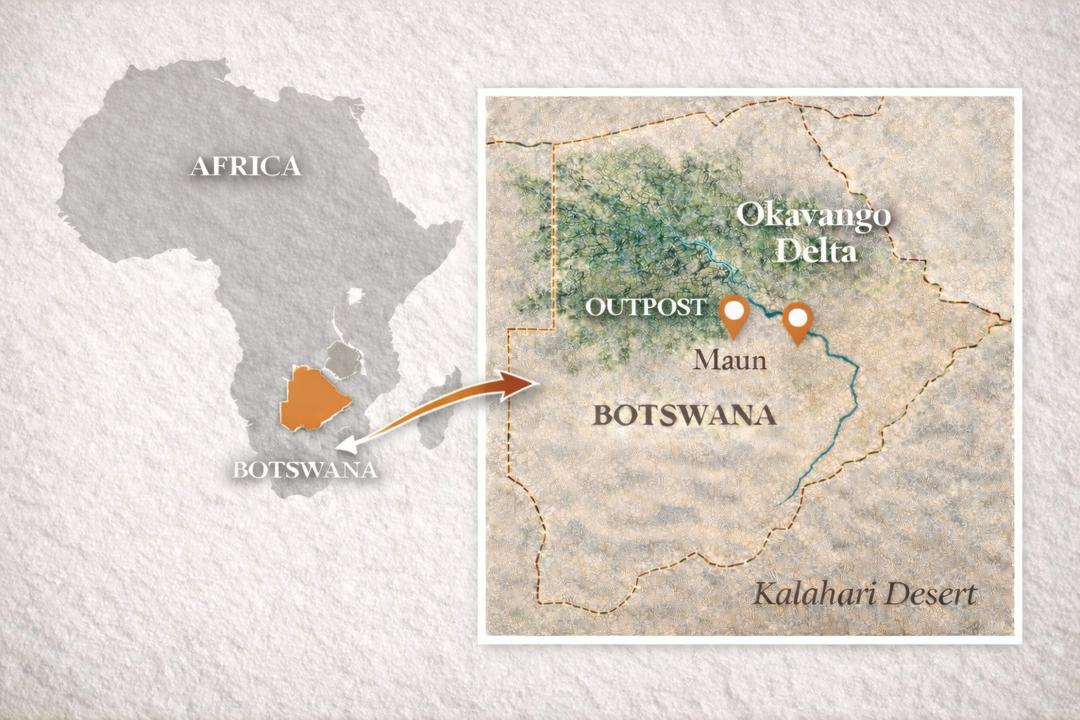
The Outpost is situated in the South Western Okavango – a unique and mainly dry area hosting an abundance of wildlife around the the natural waterhole system all year round.
In essence, the Delta’s remarkable wildlife abundance is not accidental – it is the biological expression of an ever-shifting geological system where tectonics, hydrology and sedimentology continually reorganise habitat, driving one of Africa’s most dynamic ecological theatres.